Algorithmic Creativity: How Visual and AI Literacy Impact the Use of Text-to-Image Tools in Design Tasks
Canossa, Alessandro, Lisa Toender Berger, Lucas Fellner, Willem van der Maden, Jesper Juul, and Jichen Zhu. 2026. “Algorithmic Creativity: How Visual and AI Literacy Impact the Use of Text-to-Image Tools in Design Tasks.” In HCI International 2025 – Late Breaking Papers, edited by June Wei, George Margetis, Helmut Degen, and Stavroula Ntoa. Springer Nature Switzerland.
https://doi.org/10.1007/978-3-032-13187-4_1.
https://jesperjuul.net/text/algorithmic/
Abstract
Text-To-Image (TTI) generators are becoming widely used and are often promoted as "democratizing" the generation of images, but relatively little is known about whether people with different skill sets and literacies use these tools differently, and how their backgrounds influence the quality of the results. This paper investigates the impact of Visual Literacy, Artificial Intelligence (AI) Literacy, and Prompt Engineering Literacy on the use of a human-AI co-creation process for a real-world visual design task. We present a user study (n = 25) examining how people with different literacies interact with Midjourney to complete a visual design task. The results were evaluated by 3 internationally acknowledged visual artists. Our results found no impact of any literacy on the general visual appeal of the generated images, but where participants with high AI literacy reported more understanding of the co-creation process, images created by participants with high visual literacy were rated as better fulfilling the stated visual design task as such. We argue that future work must therefore consider not just the visual appeal of generated images, but also whether they are genuinely useful for a given function.
1 Introduction
Text-to-Image (TTI) AI tools, such as Midjourney and DALL-E, are fundamentally changing the traditional practices of visual content creation. Previous research has highlighted the importance of user background in the adoption and effective use of AI technologies [6, 15]. Despite these insights, there remains a gap in understanding precisely how these factors collectively influence user performance when generating images with Text-to-Image tools.
This paper investigates how factors like visual design education, technical proficiency, and AI literacy influence user performance with TTI tools. We explore this by analyzing how user profiles in terms of Prompt Engineering Literacy, Visual Literacy, and AI Literacy have an impact on diverse measures of output evaluation such as general Visual Appeal, degree of Task Fulfillment, and feeling of user Control. We aim to understand how different user groups engage with TTI tools, identify key determinants of success, and provide recommendations for designing more inclusive and effective AI-driven creative tools and improving related education. Specifically, we seek to answer the following research question (RQ): To what extent do visual design expertise, technical knowledge of generative AI, and prompt crafting experience influence the quality of human-AI collaborative work using Text-to-Image (TTI) tools?
To answer this RQ, we conducted an exploratory study with 25 users. First, we profiled them according to three literacies: how proficient they are at prompt engineering (Prompt Engineering Literacy, PEL), how experienced they are in visual design (Visual Literacy, VL), and how knowledgeable they are with Generative AI (AI Literacy, AIL). Next, we asked three visual artists at an internationally recognized creative services studio specialized in visual development to define a visual design task for the participants to complete. These artists rated the participants' generated images in terms of visual appeal (Visual Appeal) and how closely the work fulfilled the task given (Task Fulfillment). Lastly, we asked all participants to elaborate on their experience in a semi-structured interview where they also rated their level of perceived control on the computational creativity process (Controllability). Our initial results show that visual appeal (VA) is not affected by any of the literacies, likely as TTI tools have been trained on large datasets of visual works that already incorporate visually appealing features. In addition, participants with high visual literacy (VL) seem to consistently produce works that are rated better at Task Fulfillment (TF). We will discuss the implications of our results on visual design education as well as the design of creativity support tools.
2 Background
2.1 Text-to-Image Generators in Visual Design
Text-to-Image (TTI) generators are generative AI models that use text prompts to create visual data. TTI generation models are a fairly recent and fast-paced development, owing their increase in functionality and reliability to the release of OpenAI's CLIP in 2021 [17], and more recently with diffusion-based TTI generators, such as Midjourney [1]. The potential impacts of Generative AI systems in visual design fields are far-reaching, challenging existing notions and practices around creativity and innovation as designers and artists incorporate generative AI into their creative practice [7, 19, 22, 23]. For instance, TTI models have already been shown to help efficiency in the ideation phases of a design process. Researchers find that the co-creation between AI and designers can accelerate the ideation process while maintaining the same quality level as a human-only design process [3]. Their findings suggest a designer's role as the design originator cannot be replaced, but the process can be sped up by using TTI. At the same time, Oppenlaender [17] raised the question of whether the development of TTI models has made the training and experience of a designer obsolete whether any human can be creative in collaboration with these models.
The Midjourney website states that the company is committed to "expanding the imaginative powers of the human species" [1], and thus exemplifies a widespread rhetoric about adding creativity to humans. Oppenlaender similarly argues that "With Text-to-Image generation systems, anybody can create digital images and artworks." [17] But do TTIs really level the playing field, allowing all humans to create art of the same quality, or does the background of users influence the quality of outputs? There is a large body of research on how TTI can enable creativity, but a paucity of research on the role of human competence in the collaboration between humans and AI.
There is a growing amount of research on users of TTI tools, revealing motivations, verbal articulations and relevance of technical knowledge [5, 11, 12, 20, 21]. However, to the best of our knowledge, no research has been done to explicitly examine the impact of users' background (literacies) on how they create visual designs with TTI.
2.2 Text-to-Image Generators in Visual Design (Literacies)
In this paper, we use the term literacy as "the ability to identify, understand, interpret, create, communicate and compute, using printed and written materials associated with varying contexts" [2]. We focus on three relevant forms of literacy that are commonly used in generative AI and TTI research: Visual literacy, AI literacy, and Prompt Engineering literacy.
While the term has a long history [4], we here use Visual literacy with the understanding that visuals are a kind of language, and that a "visually literate person should be able to read and write visual language, i.e., s/he should be able to decode (interpret) visual messages successfully and to encode (compose) meaningful visual messages" [4]. With this in mind, we focus on Visual Literacy as the ability to arrange visual elements within an image, a competency that can be gained through examining the work of masters and working or training within visual design. Elements of visual composition (line, shape, color, brightness, texture, spacing and volume) and principles (balance, symmetry, emphasis, movement, rhythm, unity, proportion) are taught as fundamentals in art and design education [9, 18].
Long and Magerko [12] define AI literacy as "... a set of competencies that enables individuals to critically evaluate AI technologies; communicate and collaborate effectively with AI; and use AI as a tool online, at home, and in the workplace." AI literacy is a term that builds on the concept of Digital literacy, as a precursor and prerequisite for AI literacy, as you need to understand how to use computers before you can begin to understand the scope of AI [12]. AI literacy can be divided into four aspects: to know and understand, to use and apply, to evaluate and create, and ethics [16]. Given this definition of AI literacy, the assumption is that people trained in using or building AI tools have a level of AI literacy.
Finally, Prompt Engineering literacy, or Prompt Literacy is defined by [14]: "Prompt literacy enables anyone to communicate with and direct generative AI systems without needing expertise in computer programming." In theory, AI interfaces have become more user-friendly over time, thus diminishing the need for complex AI knowledge when interacting with the technology [14]. However, [10] argues that a degree of AI literacy is still required to garner a complete form of Prompt Engineering Literacy, as knowledge and understanding of AI are necessary for being able to guide the AI. We take no sides in this discussion and operationally treat Prompt Engineering literacy independently of AI literacy. We understand Prompt Engineering Literacy as practical experience with the syntax of prompting AI models, including both how to activate the specific affordances of an AI model and, crucially, how the syntax and vocabulary of prompting deviate from natural language.
3 Methods
We used a purposive sampling strategy to select participants possessing two distinct literacies, AI literacy and visual literacy, to ensure a meaningful comparison. We profiled participants for prompt engineering literacy but did not deliberately select for it. We recruited from technical programs (e.g., Computer Science and Data Science) at a technical university and from visual design programs at a design academy in a large Northern European city. Since we seek people with relatively high technical and visual literacy, we only include people in the last year of their bachelor's study or in their Masters'. We used a mix of on-site, online, and snowball recruitment. The procedure followed human subject research guidelines at the authors' institutions as well as relevant GDPR rules for data storage.
3.1 Procedure
After informed consent, participants were asked to provide basic demographic information such as age, gender, educational institution where they enrolled and their academic majors. Additionally, participants completed a survey on their literacies (11 items). We developed these questions based on literature on AI literacy [12], on literature on visual composition [9, 18], and by consulting professors in the two higher education institutions where we recruited participants. All the items in the survey had multiple choice answers and all answers were assigned a score from 1 to 4. Participants were then scored for prompt engineering literacy, visual literacy, and AI literacy.
Profiling Prompt Engineering Literacy, Visual Literacy and AI Literacy. Participants were asked about their familiarity with TTI tools such as DALL-E, Midjourney, and Stable Diffusion, how frequently they utilized those tools and how much experience they have with prompt engineering. Next, participants were asked about their visual design experience (e.g., "How many hours per month do you spend drawing/designing or expressing yourself visually?") and visual design knowledge ("How familiar are you with visual composition concepts such as contrast, rhythm, balance, proportion, and harmony?"). Lastly, the participants were asked about their AI literacy, such as "How much knowledge of Artificial Intelligence (AI), including Machine Learning and data science, do you have?" and "How often do you use AI and machine learning-based consumer applications, such as chatbots, image or text generators, etc.?" While we specifically target participants in study programs associated with visual and AI literacy respectively, these survey questions can help us identify participants with both literacies.
Visual Design Task. Next, participants were given a design task to create an image of a Brutalist medieval castle of their own design. The task brief outlined thematic requirements and provided some inspirations. This task is used by Mood Visuals, a commercial visual studio, as part of their recruitment interviews for new designers. After a brief introduction to the Midjourney tool, each participant was given 30 min to complete the task. They were instructed to use the think-aloud protocol as they worked on the task. One researcher was present to answer questions and make observations. At the end of the session, each participant chose what they considered to be the best image as their final design.
Self-assessment. Lastly, the participants were also asked to rate their final image, on a 5-point Likert scale, to indicate how close they felt the result was to what they initially had imagined. We refer to this evaluation parameter as Controllability, which is used in connection with the expert evaluation parameters explained below, for the outcome analysis. They also partook in a semi-structured interview about their overall experience and how they felt their technical or visual background affected their approach. The interview analysis is outside the scope of this LBW paper.
Output Evaluation. Each participant submitted a final image to a panel of three artists from the commercial design studio. The artists were asked to evaluate each of the 25 images according to two parameters: Visual Appeal and Task Fulfillment. Visual Appeal refers to the picture's visual attributes. The evaluators were asked to grade the picture from one to five, based on how appealing they thought the picture looked, with one being the lowest and five being the highest possible score. Task Fulfillment refers to how well the evaluators thought the picture fulfilled the given design task ('brutalist medieval castle in disarray'). These two evaluation criteria were supported by self-reported Controllability, which refers to how close the participants felt the result was to what they initially had imagined. The data analysis process will be elaborated upon in the following section.
3.2 Data Analysis
Our research question investigated the impact of the three forms of literacy (Prompt Engineering Literacy, AI Literacy and Visual Literacy) on the evaluation criteria (Visual Appeal, Task Fulfillment and Controllability). We thus analyzed the collected data through quantitative expert evaluation of the final design through correlation analysis. As part of our quantitative expert evaluation, we recruited three professional artists from the design studio that created the brief utilized in this study. The three domain experts were asked to assess the quality of participants' final designs. The artists did not have any information about the creators of the 25 images to rate, but they were given a description of the two evaluation criteria: Visual Appeal and Task Fulfillment. The three artists independently rated the 25 generated pictures submitted anonymously by the participants, for Visual Appeal and Task Fulfillment on a 5-point Likert Scale. For consistency, the experts were given the following definitions: Visual Appeal: The images should be evaluated in accordance with how the image looks. You may consider things such as composition, perspective, shape language, contrast, color theory, legibility, etc. Task Fulfillment: The images should be evaluated according to how closely they fulfill the brief ("Brutalist medieval castle in disarray"). In order to account for agreement among the artists we calculated the inter-rater reliability with Fleiss' kappa [8] for both Visual Appeal and Task Fulfillment.
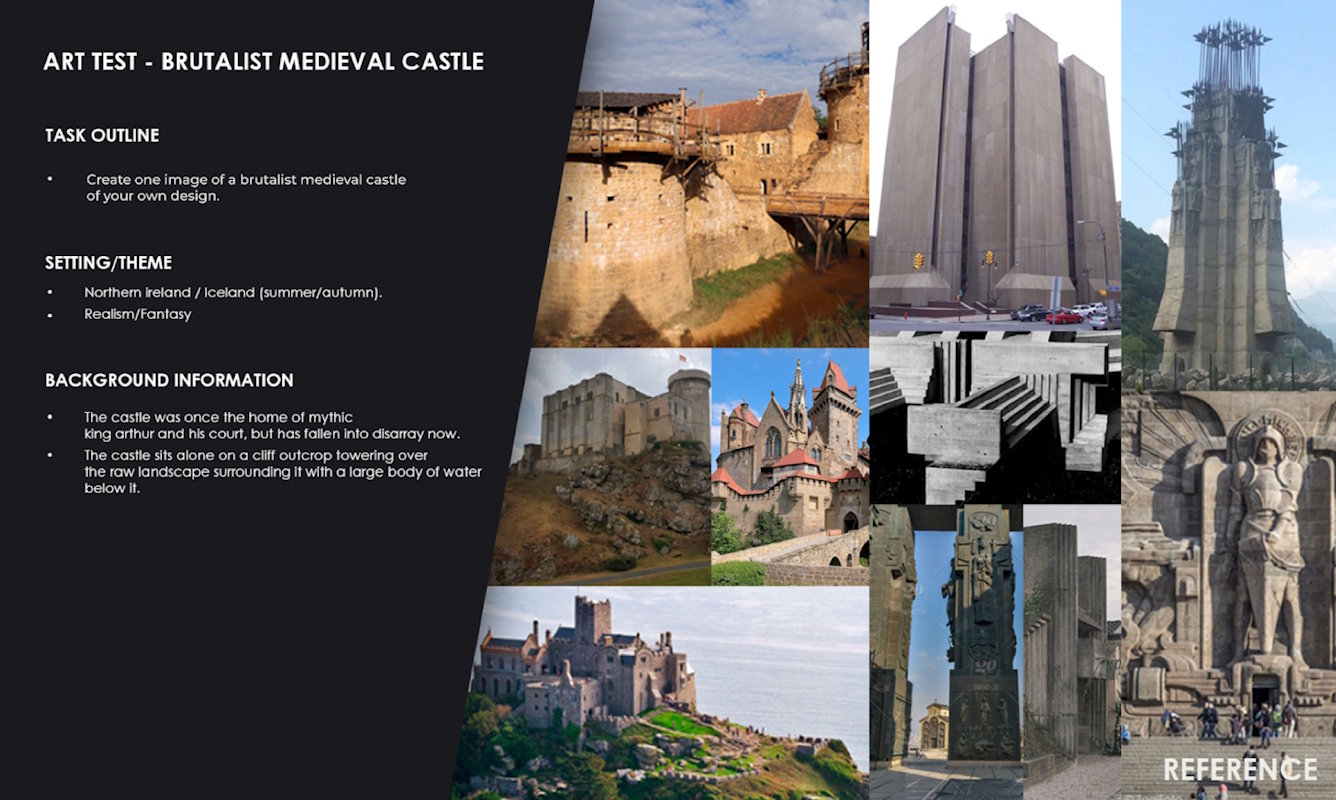
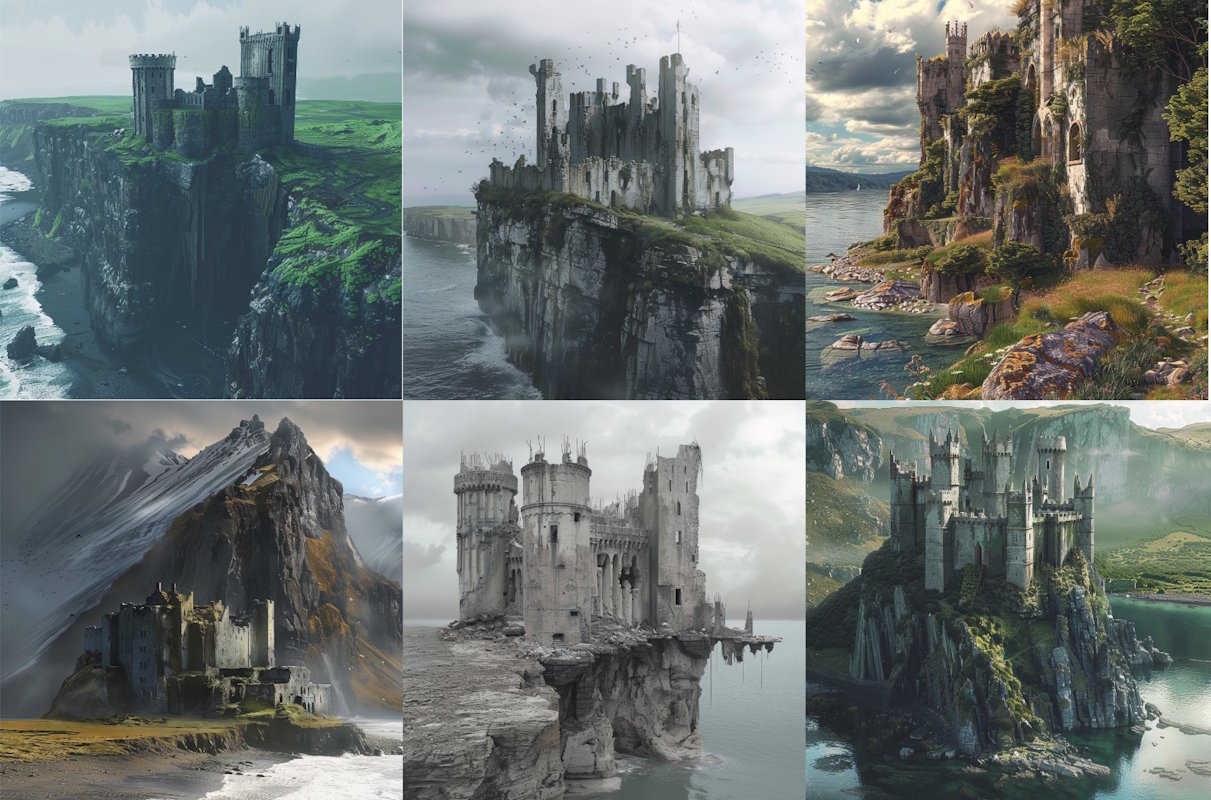
Fig. 1. Top: The design brief given to the participants. Users with different backgrounds and
literacies were asked to co-create images with a TTI tool following this task; Bottom: Examples of
AI-generated designs by Participants 1, 3, 10, 13, 18, and 22, respectively.
4 Results
To address the research question "Does having a visual design background, technical knowledge on generative AI, and experience in crafting prompts impact the quality of work co-produced with TTI?", we analyzed the effects of Prompt Engineering Literacy, Visual Literacy, and AI Literacy on three outcome variables: Controllability, Aesthetic Appeal, and Task Fulfillment.
Descriptive Statistics. Table 1 summarizes the means and standard deviations of the outcome variables grouped by literacy levels. Across all literacy levels, Task Fulfillment demonstrated the highest variation, while Controllability scores remained relatively consistent.
| Outcome | Mean | Standard Deviation | Range |
|---|---|---|---|
| Controllability (Self-Report) | 3.62 | 0.51 | [3.0, 4.5] |
| Aesthetic Appeal (Experts) | 2.45 | 0.91 | [1.0, 4.0] |
| Task Fulfillment (Experts) | 2.94 | 0.76 | [1.5, 4.0] |
Correlation Analysis. The correlation analysis revealed weak relationships between Prompt Engineering Literacy, Visual Literacy, and AI Literacy and the outcome variables. While Visual Literacy showed a positive correlation with Task Fulfillment (r = 0.35), the relationships between literacy types and Controllability or Aesthetic Appeal were negligible.
Regression Analysis. We conducted multiple linear regression analyses to evaluate the individual and combined effects of literacy types on the outcomes. The results are summarized in Table 2.
| Outcome | Predictor | Coefficient (β) | p-value |
|---|---|---|---|
| Controllability | Prompt Eng. Literacy | -0.042 | 0.623 |
| Visual Literacy | -0.015 | 0.772 | |
| AI Literacy | 0.061 | 0.429 | |
| Aesthetic Appeal | Prompt Eng. Literacy | 0.048 | 0.572 |
| Visual Literacy | 0.013 | 0.796 | |
| AI Literacy | -0.073 | 0.343 | |
| Task Fulfillment | Prompt Eng. Literacy | -0.097 | 0.227 |
| Visual Literacy | 0.136 | 0.009* | |
| AI Literacy | -0.061 | 0.394 |
Key Findings. The regression analysis indicated that Visual Literacy was a significant positive predictor of Task Fulfillment (β = 0.136, p < 0.01). Neither Prompt Engineering Literacy nor AI Literacy significantly predicted any of the outcomes. Overall, the results suggest that a background in visual design plays a critical role in achieving higher task fulfillment when co-producing work with TTI, while technical knowledge on AI and prompt crafting experience had minimal impact on the assessed outcomes. In summary, our results suggest that, of these three forms of expertise, only Visual Literacy significantly impacted how well participants' images fulfilled a specific design brief. Specifically, while no clear relationships emerged between any of the three literacies and the images' Visual Appeal or participants' sense of Controllability, high Visual Literacy correlated with producing images that aligned more consistently with the given prompt requirements. Our results suggest that Visual Literacy does not impact how "pretty" an image is (i.e., Visual Appeal), but rather whether it meets the specific functional or thematic requirements (Task Fulfillment). This aligns with the idea that TTI tools, trained on massive collections of visuals, inherently generate aesthetically pleasing images for a wide range of users; however, they do not inherently produce images that satisfy professional or contextual briefs without domain expertise. We also note that AI Literacy and Visual Literacy were moderately negatively correlated, reflecting our sampling strategy, where participants generally hailed from either a technical university or a design academy. This result suggests that, in our small-scale study, few participants possessed deep competencies in both areas. However, in the broader landscape, interdisciplinary training that combines technical and design skills could be pivotal for more advanced or specialized TTI-driven workflows.
5 Discussion
5.1 Participants with High Visual Literacy Produce Images Consistently Rated Higher in Task Fulfillment
It is notable that this study found empirical evidence that can shift the traditional role of visual literacy. Our results shows that visual literacy was not associated with significantly higher Visual Appeal, typically connected to the common understanding of visual literacy. Instead, it was strongly associated with Task Fulfillment. Our results suggest that TTI systems may "level the playing field" in some areas of visual aesthetics, making it relatively straightforward for novices to generate appealing pictures in a single session. Yet, it appears that Visual Literacy uniquely prepares participants to align their outputs with practical objectives, design briefs, or other professional standards. This finding echoes our critique of prior studies that assessed AI-generated images in a vacuum, focusing on color harmony or general creativity [13]. The ability to generate a functionally relevant image—one aligned with a conceptual brief or design specification—may demand deeper domain-specific knowledge than simply toggling style or color settings through text prompts. Our preliminary evidence supports the view that "functionality" is central to real-world value in AI-assisted design tasks.
5.2 The Role of Prompt Engineering and AI Literacy
Our quantitative analysis revealed no significant relationship between Prompt Engineering Literacy or AI Literacy and the three outcome variables (Visual Appeal, Task Fulfillment, and Controllability). This may be partly explained by the rapid skill acquisition we observed during the sessions: participants often experimented, iterated quickly on their prompts, and saw immediate results that guided them toward visually pleasing outcomes. Consequently, the short time frame may not have captured the deeper advantages of extensive AI or prompt-engineering expertise, especially if participants could reach passable or attractive images with only cursory trial-and-error. Additionally, the sophisticated capabilities of TTI tools may minimize the immediate benefit of advanced technical knowledge for simple tasks. However, for more complex or iterative design challenges such as working through multiple revision cycles or integrating client feedback—we suspect that advanced prompt-engineering skills and a deeper understanding of model mechanics could play a greater role.
5.3 Implications
This study contributes to HCI research by investigating how different literacies (visual, AI, and prompt engineering) affect user interactions and outputs when working with AI tools. Our results suggest that creativity support tools can incorporate adaptive interfaces or guidance systems that identify a user's domain-specific literacy and tailor features or prompts accordingly. For example, a designer with high Visual Literacy but minimal AI knowledge might benefit from more transparent model explanations, while a highly technical user might need on-screen guidance about compositional principles. We also note that users sometimes expressed frustration or confusion when the AI output deviated from their original mental images, underscoring the need for more intuitive feedback loops. In line with prior research, an adaptive interface that nudges or clarifies how certain words and phrases translate into visual outputs could enhance controllability and empower users with varied backgrounds. In terms of visual and technical education, this research shows that TTI tools do not negate the need for visual literacy. Rather in the era of generative AI, design educations should keep focusing on improving Visual Literacy among students to increase their ability to produce images that can fulfill tasks appropriately. At the same time, it may be fruitful to integrate visual literacy training into non-art educational curricula, particularly in technical fields involved in AI system development. Building cross-functional skills could help future developers and engineers understand the end-to-end pipeline of AI-assisted creative processes, leading to more robust and user-centered TTI tools. Educational institutions might consider introducing modules that expose technical students to fundamental elements of visual design or historical art movements, potentially sharpening their ability to guide TTI systems toward targeted outputs. Aligning such curriculum with digital fluency goals can prepare students across disciplines for the increasing prevalence of AI-based collaboration in creative fields.
Finally, our results suggest that Task Fulfillment, rather than raw visual beauty, is a critical dimension of TTI success. Design schools might adapt their projects or curricula to include AI-driven assignments focused on creating images for real-world scenarios (e.g., game concept art, marketing visuals), while technical programs might incorporate design briefs to encourage deeper exploration of how aesthetic or functional requirements translate into textual prompts. Overall, this preliminary study suggests that further investigation is warranted, particularly in more complex, multi-phase design tasks. We encourage future work to examine larger samples, longer iteration cycles, and authentic co-creation contexts where AI Literacy and Prompt Engineering Literacy might reveal a stronger influence on the final outcome.
5.4 Limitations
Our study's multi-method approach—combining think-aloud data, interviews, expert evaluations, and correlation/regression analysis—offers a broad view of TTI usage but also restricts the variety of tasks we could explore. We focused on a single visual brief (a brutalist medieval castle) within a short session and used only one TTI platform (Midjourney). As a result, the findings may not generalize to different briefs, extended creative workflows, or other platforms with distinct interfaces and features. Furthermore, while Spearman's correlation and regression analyses yielded insights into relationships among literacies, linguistic usage, and evaluation metrics, these techniques might overlook complex interdependencies or confounding variables. Future work could examine multiple TTI tools, adopt more iterative and extended design scenarios, and explore advanced methods such as structural equation modeling to capture the nuanced ways each literacy affects task-oriented outcomes.
6 Conclusion and Future Work
In this paper, we conducted a preliminary, exploratory study to investigate how Visual Literacy, AI Literacy, and Prompt Engineering Literacy influence the creation of images using text-to-image (TTI) tools. We extended existing work on the use of TTIs by examining how AI Literacy, Prompt Engineering Literacy, and Visual Literacy affect a visual design task. Our findings indicate that TTI outputs should not be judged solely by aesthetic qualities; rather, they must be considered in relation to their intended purpose. Specifically, while Visual Literacy showed no clear link to higher visual appeal, it correlated positively with better fulfillment of the design brief—highlighting that images serve concrete functions and must be context-appropriate. Based on this preliminary study, our future work will include a broader survey to corroborate these findings across different user populations. We will also expand the scope of design tasks, incorporate iterative feedback, and compare multiple TTI platforms. Through these steps, we aim to deepen our understanding of how different literacies influence outcomes in more complex creative scenarios, ultimately guiding the development of TTI tools and practices that balance aesthetic appeal with functional alignment.
References
- Midjourney (2024). https://www.midjourney.com/home
- UNESCO Literacy definition (2024). https://uis.unesco.org/node/3079547
- Ardhianto, P., Nababan, R.S.: Artificial intelligence approach in visual design ideation process, pp. 112–117 (2023). https://doi.org/10.2991/978-2-38476-100-5_17
- Avgerinou, M., Ericson, J.: A review of the concept of visual literacy. Br. J. Educ. Technol. 28(4), 280–291 (1997). https://doi.org/10.1111/1467-8535.00035
- Chang, M.: The prompt artists. In: proceedings of the 15th Conference on Creativity and Cognition (Virtual Event, USA) (C&C '23), pp. 75–87. Association for Computing Machinery, New York, NY, USA (2023). https://doi.org/10.1145/3591196.3593515
- Druga, S., Otero, N., Ko, A.J.: The landscape of teaching resources for AI education. In: Proceedings of the 27th ACM Conference on Innovation and Technology in Computer Science Education, vol. 1 (Dublin, Ireland) (ITiCSE 2022), pp. 96–102. Association for Computing Machinery, New York, NY, USA (2022). https://doi.org/10.1145/3502718.3524782
- Feuerriegel, S., Hartmann, J., Janiesch, C., Zschech, P.: Generative AI. SSRN Electron. J. (2023). https://doi.org/10.2139/ssrn.4443189
- Fleiss, J.L., Levin, B., Paik, M.C.: Statistical Methods for Rates and Proportions. Wiley (2004). https://books.google.dk/books?id=a5LwdxF2d10C
- Gardner, H.: Art through the Ages. Harcourt Brace Jovanovich (1970)
- Knoth, N., Tolzin, A., Janson, A., Leimeister, J.M.: AI literacy and its implications for prompt engineering strategies. Comput. Edu. Artif. Intell. 6(2024), 100225 (2024). https://doi.org/10.1016/j.caeai.2024.100225
- Lin, P.-Y., et al.: Text-to-image AI as a catalyst for semantic convergence in creative collaborations. In: Proceedings of the 2024 ACM Designing Interactive Systems Conference (Copenhagen, Denmark) (DIS 2024), pp. 2753–2767. Association for Computing Machinery, New York, NY, USA (2024). https://doi.org/10.1145/3643834.3661543
- Long, D., Magerko, B.: What is AI literacy? Competencies and design considerations. In: Proceedings of the 2020 CHI Conference on Human Factors in Computing Systems (Honolulu, HI, USA) (CHI 2020), pp. 1–16. Association for Computing Machinery, New York, NY, USA (2020). https://doi.org/10.1145/3313831.3376727
- Lyu, Y., Wang, X., Lin, R., Wu, J.: Communication in human-AI co-creation: perceptual analysis of paintings generated by text-to-image system. Appl. Sci. 12, 2222 (2022). 11312. https://doi.org/10.3390/app122211312
- Maloy, R., Gattupalli, S.: Prompt Literacy. EdTechnica (2024). https://doi.org/10.59668/371.14442
- Myers, C.M., Furqan, A., Zhu, J.: The impact of user characteristics and preferences on performance with an unfamiliar voice user interface. In: Proceedings of the 2019 CHI Conference on Human Factors in Computing Systems, pp. 1–9 (2019)
- Ng, D.T.K., Leung, J.K.L., Chu, S.K.W., Qiao, M.S.: Conceptualizing AI literacy: an exploratory review. Comput. Educ. Artif. Intell. 2(2021), 100041 (2021). https://doi.org/10.1016/j.caeai.2021.100041
- Oppenlaender, J.: The creativity of text-to-image generation. In: Proceedings of the 25th International Academic Mindtrek Conference (Tampere, Finland) (Academic Mindtrek 2022), 192–202. Association for Computing Machinery, New York, NY, USA (2022). https://doi.org/10.1145/3569219.3569352
- Ruskin, J.: The Elements of Drawing. Smith, Elder & Co (1857)
- Sivertsen, C., Salimbeni, G., Løvlie, A.S., Benford, S.D., Zhu, J.: Machine learning processes as sources of ambiguity: insights from AI art. In: Proceedings of the CHI Conference on Human Factors in Computing Systems, pp. 1–14 (2024)
- Van Der Maden, W., et al.: Death of the design researcher? Creating knowledge resources for designers using generative AI. In: Companion Publication of the 2024 ACM Designing Interactive Systems Conference, pp. 396–400 (2024)
- Van Der Maden, W., et al.: Towards a design (research) framework with generative AI. In: Companion Publication of the 2023 ACM Designing Interactive Systems Conference, pp. 107–109 (2023)
- Wadinambiarachchi, S., Kelly, R.M., Pareek, S., Zhou, Q., Velloso, E.: The effects of generative AI on design fixation and divergent thinking. In: Proceedings of the CHI Conference on Human Factors in Computing Systems, pp. 1–18 (2024)
- Zhu, J., Liapis, A., Risi, S., Bidarra, R., Michael Youngblood, G.: Explainable AI for designers: a human-centered perspective on mixed-initiative co-creation. In: 2018 IEEE Conference on Computational Intelligence and Games (CIG), pp. 1–8. IEEE (2018)